











Shabbat Shalom

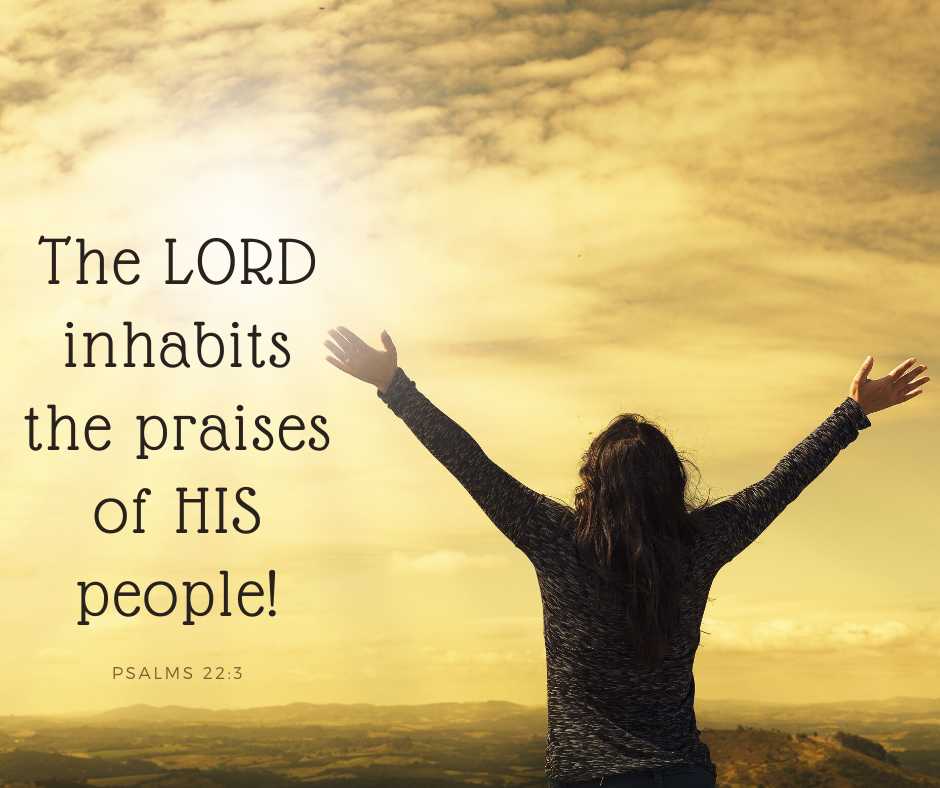
Praise & Worship is POWERFUL!! ???
So powerful that the LORD Himself inhabits our praises! So powerful, that when we wholeheartedly worship HIM, His very throne turns into a war chariot as He goes to battle on our behalf!
His Holy Scripture reveals this!:
? "When the trumpeters and singers were playing in concord, to be heard harmoniously praising and thanking Adonai, and they lifted their voices together with the trumpets, cymbals and other musical instruments to praise Adonai: “for he is good, for his grace continues forever” — then, the house, the house of Adonai, was filled with a cloud; 14 so that because of the cloud, the cohanim could not stand up to perform their service; for the glory of Adonai filled the house of God." [2 Chronicles 5:13-14 CJB]
? "After consulting with the people, he appointed those who would sing to Adonai and praise the splendor of his holiness as they went out ahead of the army, saying, “Give thanks to Adonai, for his grace continues forever.” 22 Then, during the time when they were singing and praising, Adonai brought a surprise attack against the people of ‘Amon, Mo’av and Mount Se‘ir who had come to fight Y’hudah; and they were defeated." [2 Chronicles 20:21-22 CJB]
May your offering of praise and worship this Shabbat move Adonai to show up in incredible and POWERFUL ways in your life!! ??

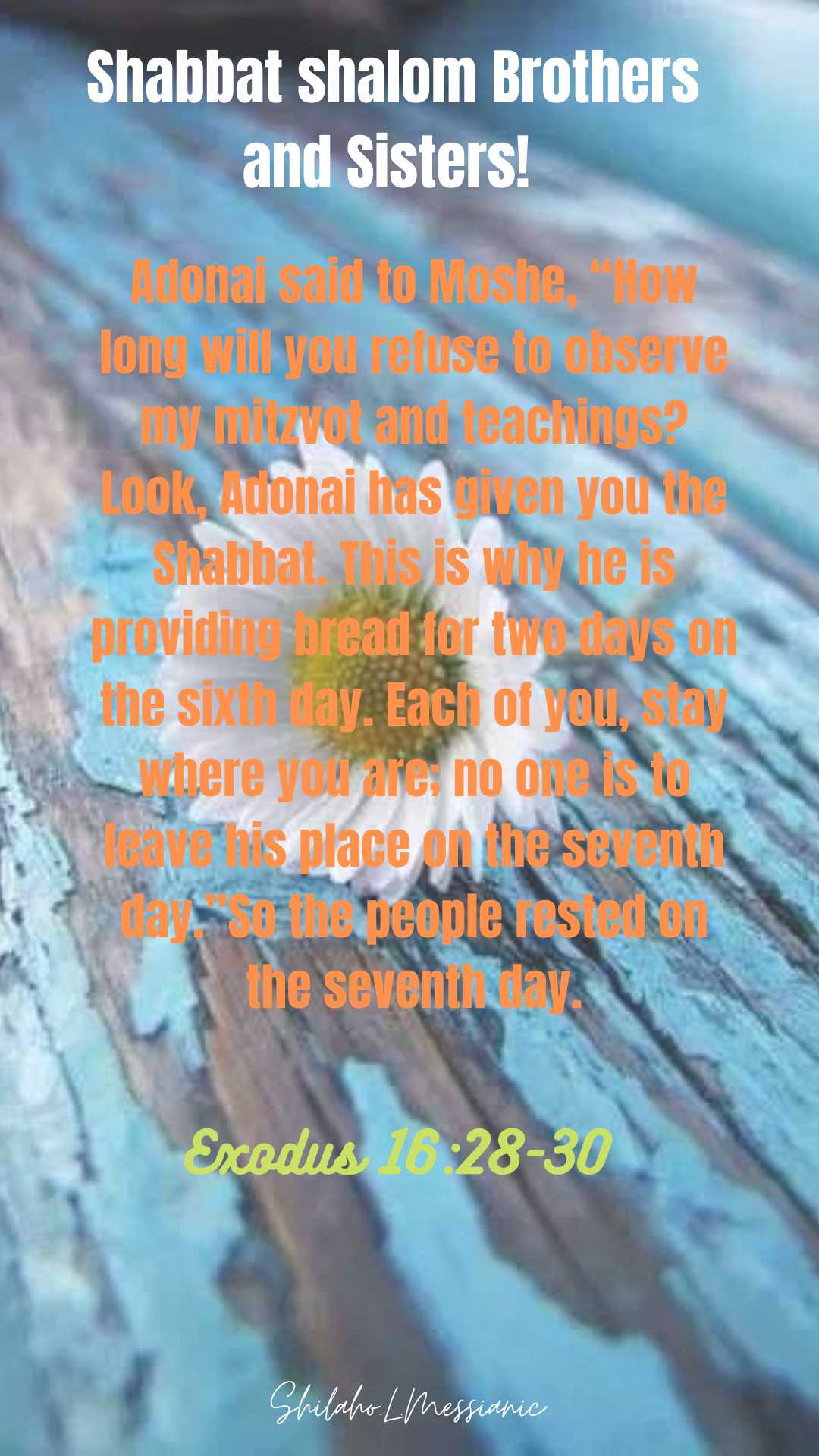
Shabbat shalom everyone!



Torah Treasures
And Elohiym said unto El־Ya`aqov: (Jacob) Arise, go up to Beyt־El, and dwell there: and make there an altar unto Elohiym, that appeared unto you when you fled from the face of Esau your brother. 2 Then Ya`aqov said unto his household, and to all that were with him: Put away the strange elohai (idols) that are among you, and be clean, and change your garments: 3 And let us arise and go up to Beyt־El; and I will make there an altar unto Elohiym, who answered me in the day of my distress, and was with me in the way which I went. 4 And they gave unto El־Ya`aqov את all the strange elohai (idols) which were in their hand, and all their earrings which were in their ears; and Ya`aqov hid them under the oak which was by Shekem. Genesis 35:1-4
Application:
The people of The Most High are commanded to put away all idols - any imposters, false deities from our life. This is a good time to apply this life lesson. During this season there are many idols clamoring for our attention designed to take our focus off of our Holy King and Bridegroom!
Many in the "Christian" community are quick to say "put Christ back in Chist-mass" but allow and embrace what The Holy Father calls abominations-the idols- false deities (santa and elves) even bringing such images into the houses of worship! Pastors even dressing up as you know who! If you want to celebrate Messiah and His birth fine but how bout we put away the idols first! Give All the devotion and adoration to our Blessed Holy King then and only then may we experience the Good tidings of great Joy!

Shabbat Shalom!
 TTN Music
  TTN Promo

Lindsay Tedesco
Delete Comment
Are you sure that you want to delete this comment ?