
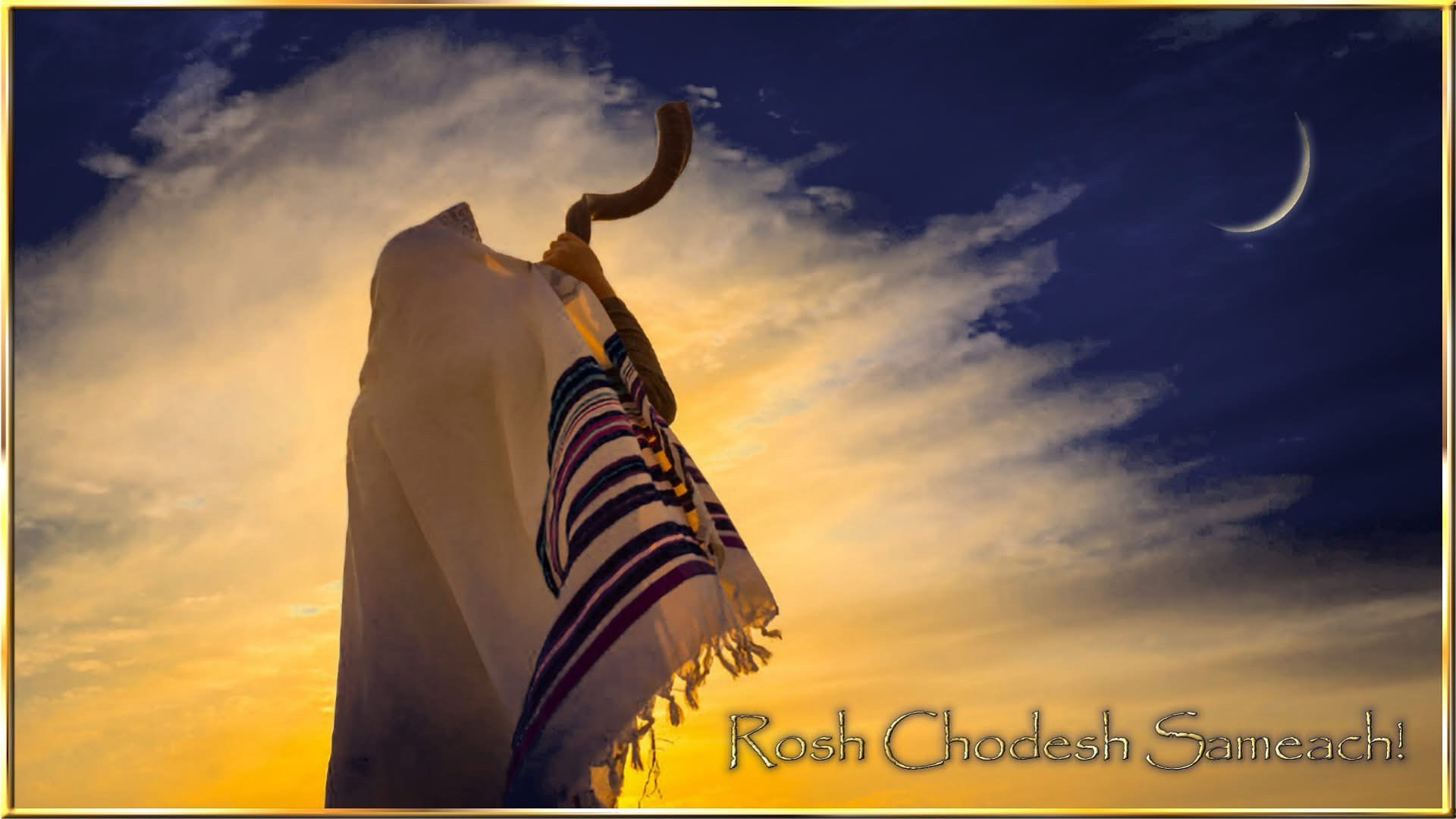
ROSH CHODESH SIGHTED!
The New Moon crescent was sighted from Jerusalem, Israel this evening (6/26/2025), marking the beginning of the fourth scriptural month for (6/27/2025).
Rosh Chodesh Sameach!
You can download our Complete Believer's Calendar at:
https://sabbathkeepersfellowship.org/calendar










I know that I have been "missing in action" lately. I am still looking for work and had no idea that it would last this long. But I am doing things to keep myself productive. I finished a program in Customer Service / Contact Centre training. I have also re-taken Microsoft Word and Excel classes.
I finished reading the book of Jubilees. I am convinced that it is not scripture. Not only does it mention Israel in the book of Genesis days when it did not exist, but it also contains a great deal of prejudice against Gentiles, telling Jews not to hang around them.
I am almost half-way done my yearly Bible reading and I am also including the books of the Apocrypha in there too. I am reading the book of Sirach and it is like reading another type of Proverbs.
Please pray that Yah will provide me a with a good job soon. Thanks!


Isaiah 2 just caught my attention as it speaks of the "last days" or the "messianic age", a time of universal peace and Father's ultimate reign over all nations.
Verses 2-3 reads:
"It shall come to pass in the latter days that the mountain of the Lord’s house shall be established as the highest of the mountains and shall be exalted above the hills, and all nations shall flow to it.
And many people shall come and say, Come, let us go up to the mountain of the Lord, to the house of the God of Jacob, that He may teach us His ways and that we may walk in His paths. For out of Zion shall go forth the law and instruction, and the word of the Lord from Jerusalem."
But, how does this fit in with the New Covenant if the nations again has to go up to the Mountain to be taught? Isn't the law already written on everyone's heart?
I can understand going there for judgement to be made between people, but being taught again about the law? 🤔
Or does this talk of a different period in time?
How do you understand this chapter in relation to the New Covenant?

Thought for Today: Friday June 27
Sometimes, we do not know why YHVH allow bad things to happen to us. Even then however, YHVH can use them to teach us and make us into better people. Disappointments and tragedies for example, can teach us to turn in trust to Him for the hope and comfort we need. These experiences can also teach us patience, and make us more sensitive to other who are suffering. Are you going through a difficult time today? Ask YHVH to use it to increase your faith and make you more like our Moshiach.

Please read this week's bulletin for First Fruits Ministries upcoming Sabbath celebration and relevant news about what's going on in the community: https://firstfruits.cc/blog/20....25/06/26/sabbath-bul

Usher in Shabbat Lev. 23:1-2
June 27, 2025, 07:30 PM Pacific Time (US and Canada)
https://us02web.zoom.us/j/8946....2758859?pwd=aC1T7tq7

The animals in Isaiah 11:6-8 represent different kinds of people.
-Wolves are predatory pretenders.
-Lambs are harmless innocents.
-Leopards are sly opportunists.
-Kids are hapless adventurers.
-Young lions are confrontational and violent.
-Fatlings are slow and vulnerable.
-Cattle are a symbol and source of wealth.
-Bears are angry, unpredictable destroyers.
-Oxen are honest and powerful.
-Asps are crafty, shy killers.
-Adders are quick tempered and defensive, unfaithful friends.
#biblepatterns #biblestudy

My latest blog digs into the Anti-Jewish sentiment and delivers a few of my own: https://jbschirtzinger.beitesh....elpublications.org/2

We honor the memory of those touched by the Shoa (Holocaust) because it is the right thing to do - for the Jews who perished, for the Jews who survived, for the Christians and others who helped them, and for our children who need to know what happened so they can build a future in which such things remain a memory.
Join me in raising money for Root Source! via @givebutter https://givebutter.com/WeMustNotForget
 TTN Music
  TTN Promo




Rhy Bezuidenhout
Delete Comment
Are you sure that you want to delete this comment ?